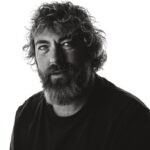
Some of the most impressive people I photograph begin by telling me they’re terrible in front of a camera.
They can lead a team, run a business, perform on stage, advise clients or produce extraordinary creative work. Put a camera in front of them, though, and suddenly they don’t know what to do with their hands.
It’s rarely because they’re genuinely unphotogenic.
Usually, they’re uncomfortable being the centre of attention. They’re used to concentrating on the work, helping other people or quietly getting things done. Being watched through a lens feels unfamiliar and strangely exposing.
My job isn’t to persuade them to love the camera. It’s to create the conditions in which they can forget about it for long enough to look like themselves.
Here’s how I do that.
1 – We decide what the photographs need to achieve
Before thinking about lighting or backgrounds, I want to know where the photographs will be used.
Are they for a website, LinkedIn profile, speaker biography, press article or acting portfolio? Who needs to see them, and what should that person understand about you?
This gives the shoot a purpose beyond simply having your photograph taken.
You’re no longer being asked to perform for attention. You’re creating something useful that will help the right people understand who you are, what you do and why they should trust you.
That shift in focus can make a surprisingly big difference.
2 – I don’t expect you to know how to pose
Most people don’t spend their lives practising where to put their shoulders, how to angle their chin or what to do with their hands.
Why would they?
You shouldn’t need any experience in front of a camera. I’ll give you clear, simple direction throughout the shoot, making small adjustments rather than asking you to produce a complicated pose.
Move your weight slightly. Turn towards the light. Lower your chin a fraction. Look just past the camera.
Good direction should feel like a conversation, not a test.
3 – We don’t rush into the important photographs
The first few frames are rarely the ones we’re there to create.
They’re a chance for you to get used to the camera, the lights and the slightly odd experience of being photographed. They’re also useful for me. I can see how you naturally hold yourself, which expressions feel right and which angles work best.
There’s no pressure to produce the perfect photograph immediately.
We build towards it.
4 – I keep you occupied
Standing still while someone silently points a camera at you is almost guaranteed to make you feel self-conscious.
That’s why I keep the conversation going.
I might ask about your business, your latest project or the part of your work you enjoy most. People often change when they begin talking about something that matters to them. Their posture settles. Their expression becomes more animated. The attention moves away from being photographed and back towards something familiar.
For brand photography, I’ll often give you something real to do. You might work at your desk, make something, walk through your space or speak with a colleague.
Activity gives your mind somewhere else to go.
5 – I watch for the moments between the photographs
The strongest portrait isn’t always made when someone is trying hardest to look good.
It might appear just after they’ve laughed, while they’re listening to a question or in the moment their face settles after an expression.
Those small transitions often feel more natural because they haven’t been consciously performed.
I’m watching for them throughout the shoot. It’s one reason I don’t reduce a portrait session to a rigid series of poses and instructions. The useful moments often happen in between.
6 – You’ll see what’s working
Being photographed can feel uncertain when you have no idea what the camera is capturing.
I’ll show you a few photographs as we go. Not every frame, because that would interrupt the rhythm of the session, but enough for you to see that the process is working.
This isn’t an invitation to inspect every tiny detail or criticise yourself.
It’s reassurance.
Once you see one photograph you genuinely like, the tension usually drops. You know we’ve already got something useful, so everything after that feels easier.
7 – We aim for credible, not perfect
You don’t need to look younger, thinner, more important or more polished than you really are.
You need to look like someone your clients, colleagues or audience would recognise and trust.
That means paying attention to expression, posture, clothing and light without removing every trace of personality. I’ll tidy temporary distractions in the edit, but I’m not interested in turning your face into something artificial.
A good professional portrait should present you at your best while still feeling honest.
You don’t have to become someone else
The people who tell me they hate being photographed are often the people who care most about coming across properly.
They don’t want to look vain, awkward or false. They want photographs that feel natural and have a clear purpose.
That’s entirely reasonable.
You don’t need to arrive feeling confident. You don’t need to practise expressions in the mirror, learn a selection of poses or suddenly enjoy being the centre of attention.
You just need a photographer who understands why the experience feels uncomfortable and knows how to guide you through it.
If your current photographs don’t reflect the person your clients meet or the quality of the work you do, let’s fix that.
I photograph business owners, professionals, actors and creatives at my Cranleigh studio and on location across Surrey, Sussex and Hampshire.
Get in touch and tell me what you need. We’ll take it from there.