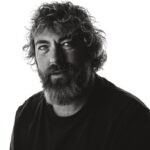
You’ve just been invited to speak at a conference.
The organiser needs a professional headshot by Friday.
Your current photograph is six years old, your hair has changed, and the tightly cropped person beside you is still just visible over your shoulder.
Suddenly, updating your headshot has become urgent.
Or perhaps your new website is almost ready to launch. The designer has built every page, the copy is finished, and the only thing missing is a complete set of photographs you haven’t arranged yet.
Photography has a habit of becoming the final item on the list.
Sometimes that’s fine. Photographers do get unexpected gaps in their diaries.
But booking earlier usually gives you more choice, more time to prepare and a much better chance of creating photographs that genuinely fit what you need.
So, how far ahead should you book?
For a headshot, allow one to two weeks
A straightforward headshot session doesn’t usually require weeks of detailed planning.
For most people, booking one to two weeks ahead is sensible.
That gives us time to find a suitable date, discuss how you’ll use the photographs and decide whether the session should happen in my Cranleigh studio, at your workplace or somewhere else.
It also gives you time to think about clothing without turning it into a crisis.
You may want to bring two or three options. You might need to collect a jacket from the dry cleaner, arrange a haircut or check that the top you had in mind still fits as well as you remember.
None of this needs months of preparation. But leaving everything until the night before can create unnecessary pressure.
If you have a fixed deadline, such as a press announcement, conference programme or new job starting date, work backwards from the day you need the finished photograph.
The session itself isn’t the deadline.
Allow time for the photographer to edit the images, for you to make any selections and for the final files to be delivered.
For a branding shoot, allow three to four weeks
A branding shoot needs more thought than a single headshot.
We may be creating portraits, working photographs, details, horizontal website images and social media content during the same session.
The more jobs those photographs need to do, the more useful some preparation becomes.
I normally recommend booking three to four weeks ahead.
That gives us time to discuss what your business needs, identify any gaps in your existing image library and decide which locations will tell the right story.
You’ll also have time to plan clothing changes, gather props or products and coordinate with anybody else appearing in the photographs.
If we’re using several locations, we need to think about travel, access and the best time of day for each space.
Outdoor photography may need a backup plan too. We can’t control the Surrey weather, but we can decide what happens if the forecast is awful.
Three to four weeks doesn’t mean spending a month worrying about the shoot. It means making a few good decisions without rushing them.
Start with how you’ll use the photographs
Before choosing a date for a branding shoot, check the wider timetable.
Is a new website being built?
Are you launching a service?
Do you have a campaign starting?
Is a designer, marketing consultant or agency waiting for the images?
Ask them exactly what they need and when they need it.
Your photographer may need to provide a mixture of vertical, horizontal and tightly cropped images. A website designer may need wide photographs with clear space for text. A press campaign could require particular dimensions or file types.
It’s much easier to include those requirements in the shoot than discover them after the photographs have been taken.
If several people are involved, booking early also gives everybody time to agree on the brief.
For an event, allow one to three months
Event dates are fixed.
If your annual conference, awards ceremony or community celebration is happening on a particular Saturday, you can’t move it because your preferred photographer is already booked.
For that reason, I recommend booking event photography one to three months ahead.
Book even earlier if the date is especially important, falls during a busy season or involves a large event requiring extensive coverage.
Popular Thursdays, Fridays and weekends can disappear quickly. Summer festivals, Christmas events and annual awards evenings often compete for the same dates.
Earlier booking also gives your photographer time to understand the event.
We can review the running order, identify important guests, plan group photographs and discuss how the images will be used afterwards.
For a complex event, I may need to speak to the venue, check access or understand any restrictions around photography.
Good event coverage depends on reacting quickly to what happens. Preparation makes that possible.
Book the photographer when you book the venue
One simple rule can prevent a lot of last-minute searching.
Once your venue and date are confirmed, start looking for your photographer.
You don’t need to have every detail finalised.
The running order will change. Speakers may still be unconfirmed. You might not know exactly how many people will attend.
That’s normal.
Secure the date first. The detailed brief can follow closer to the event.
If photography matters to the success of the event, it shouldn’t be treated as an optional extra to arrange once everything else is done.
Allow more time when several diaries are involved
A headshot for one person can often be arranged quickly.
Photographing an entire team is different.
The photography itself may only take a few hours, but finding a day when everyone is present can take weeks.
Annual leave, remote working, client appointments and part-time schedules all reduce the options.
The same applies to branding shoots involving colleagues, customers, models, stylists or venue owners.
Before contacting the photographer, identify who genuinely needs to attend. Then gather two or three possible dates rather than trying to make one date work for everybody.
The more people involved, the earlier you should begin.
Don’t wait until you feel ready
Some people delay booking because they want to lose weight, buy new clothes, finish decorating the office or feel more confident in front of the camera.
Preparation is useful. Indefinite postponement isn’t.
If you have a genuine deadline, put the date in the diary first. Once the session is booked, the smaller decisions tend to become easier.
You’ll know when you need to choose your clothing, tidy the workspace or confirm who else will be involved.
A booked date turns an intention into a plan.
Short notice? Always ask
All of these lead times are recommendations, not rules.
Photographers get cancellations. Half-days appear between larger assignments. A studio session may fit into a gap that couldn’t accommodate a full branding shoot.
So if you need photographs urgently, ask.
I may have availability tomorrow, later that week or during an evening or weekend.
The worst outcome is that the date isn’t possible.
What you shouldn’t do is assume there’s no point contacting a photographer because you’ve left it too late.
Be clear about your deadline, what you need and where the shoot would take place. That makes it much easier to see whether the job can fit.
Earlier is easier, but now is still worth asking
As a simple guide, allow one to two weeks for a headshot, three to four weeks for a branding shoot and one to three months for event photography.
Book earlier when the date can’t move, several people need to attend or the photographs form part of a larger launch.
That extra time isn’t about making the process complicated.
It’s about having room to plan the clothing, locations and types of photographs that will make the session useful.
If you need new headshots, business photography or event coverage in Cranleigh, the Surrey Hills or nearby, get in touch as soon as you have a date in mind.
And if you’ve already left it later than you intended, get in touch anyway. There might be a gap.